Table Of Content

We’ve all come in contact with cancer fear-mongering – all kinds of ingredients, products, and chemicals that may cause cancer or may turn out to be just fine. Since laser hair removal is a powerful treatment that utilizes light, lasers, and radiation, it makes sense why people might think it would cause cancer. But while other side effects of laser hair removal do exist, cancer is not one of them. In terms of cancer risk, X-rays and gamma rays are the most dangerous and are known as high-frequency ionizing radiation.
What is Laser Technology in Hair Removal?
Initially, IPLs were utilised for the treatment of vascular malformations such as port wine stains and thread veins. This was because they had the ability to produce longer pulse durations than pulsed dye lasers, the technology most commonly used for vascular treatments, thus allowing larger veins to be targeted and treated. Some researchers have observed changes in atypical moles (dysplastic nevi) after laser hair removal.
Examining The Connection Between Laser Hair Removal And Skin Cancer
Another study published in the journal Lasers in Surgery and Medicine investigated the potential DNA damage caused by laser hair removal. The study found that laser hair removal did not lead to DNA damage in the skin cells, further supporting the lack of a link between the procedure and the development of skin cancer. Laser hair removal has become a popular and effective method for achieving long-term hair reduction, offering individuals a convenient alternative to traditional hair removal methods. However, like any medical or cosmetic procedure, it does come with potential side effects and risks, primarily mild and temporary in nature.
How Can I Reduce The Risks of IPL Treatments?

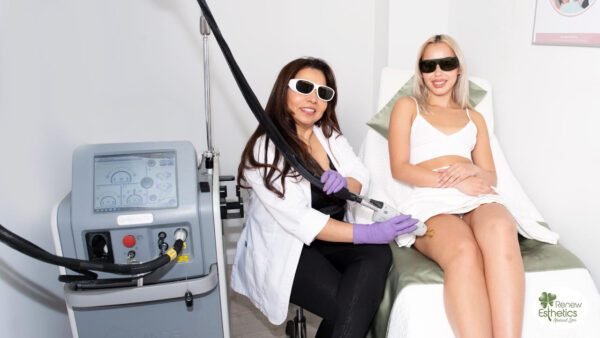
In this article, we’ll explore the facts and dispel myths surrounding laser hair removal and cancer risk. Laser hair removal is a non-invasive procedure that uses pulses of concentrated light to remove excess or unwanted hair from the face or body. The treatment is typically performed by a qualified, trained medical provider such as a dermatologist (a specialist in conditions of the skin, hair, and nails) or a plastic surgeon.
However, like skin irritation, these changes are temporary and aren’t usually a cause for concern. If you’re tired of traditional hair removal methods, such as shaving, you may be interested in laser hair removal. Offered by a dermatologist or other qualified and trained expert, laser hair treatments work by stopping the follicles from growing new hairs. First, it’s important to note that most at-home hair removal devices are not lasers. It works exactly like it sounds – intense light is pulsed to the hair follicle, which disrupts hair growth.
Can Laser Hair Removal Cause Skin Cancer?
Furthermore, the risk of skin cancer due to laser hair removal is extremely low. According to the American Society for Dermatologic Surgery, there have been no reported cases of skin cancer directly caused by laser hair removal. The organization also states that the risk of skin cancer from laser hair removal is considered negligible compared to the risk of skin cancer from other causes, such as excess sun exposure or tanning bed use.
What's Up With All These Crystal Hair Removers Popping Up on TikTok? - Allure
What's Up With All These Crystal Hair Removers Popping Up on TikTok?.
Posted: Sun, 25 Sep 2022 07:00:00 GMT [source]
Can Laser Hair Removal Increase the Risk of Skin Cancer?
This is an essential safety step to protect your eyes from exposure to the light from the laser, which could otherwise damage your eyes. During the actual laser hair removal procedure, professionals take steps to protect the patient's skin from excessive heat and damage. This includes using advanced cooling systems such as cryogen sprays or cooling gels to reduce the temperature of the skin during treatment. By maintaining a lower skin temperature, the risk of thermal damage, including burns or blistering, is significantly reduced. However, some individuals may be at a higher risk of skin cancer after laser hair removal due to specific pre-existing conditions or factors.
Addressing Concerns: Laser Hair Removal Risks vs. Cancer
Your risk increases if you use at-home laser kits or if you seek treatment from a provider who isn’t trained and certified. The laser may cause temporary side effects immediately after the procedure. Skin irritation and pigmentation changes are the most common side effects. Book an appointment for laser hair treatment using Cynosure’s Elite IQ laser – dual wavelength laser that treats all skin types. Laser therapy for hair removal operates by directing a concentrated light beam, which, unlike ionizing radiation or harmful UV wavelengths, is non-ionizing and safe for most individuals.
Does Laser Hair Removal Ruin Tattoos (+3 key Tips For Better & Safe Results)
Skin Cancer: Surprising Causes - Women's Health
Skin Cancer: Surprising Causes.
Posted: Wed, 26 Apr 2017 07:00:00 GMT [source]
During the initial pre-appointment consultation, a medical provider can discuss whether laser hair removal will be an appropriate and effective hair removal option for you. Following both the before-treatment instructions and after-treatment instructions will greatly reduce your risk of side effects. Anyone trying to become pregnant should speak to their doctor before getting laser hair removal.
Also, know that the procedure doesn’t guarantee permanent removal. Talk to your doctor about potential risks if you’re currently trying to get pregnant. Laser hair removal is a generally safe and effective method for long-lasting hair reduction. However, if you are actively trying to conceive, it is always wise to discuss potential risks with your doctor. As explained earlier, laser and IPL systems all utilize non-ionizing radiation; this type of energy does not affect the DNA strands. It’s important to be aware of these risks, especially when using at-home laser kits or seeking treatment from untrained providers.
IPL systems do not cause significant dermal damage compared to ablative lasers as they have limited power. It has been postulated that ablative lasers may conceal lesions in the dermal layer delaying treatment [36]. Hair removal using monochromatic lasers was initially introduced to the market in the early 1990s [8, 9]. However, in the new millennium, broadband IPL technology emerged as a powerful competitor and challenged the dominance of the laser in the market [10].
A full-thickness or third degree burn would be the most severe adverse event that could occur to the skin through misuse, error or malfunction of an IPL or laser. Two recent large-cohort studies have dispelled this belief, both based upon more reliable data of direct patient records. Mellemkjaer et al. (2006) reported a review of 16,903 burns victims whose injuries occurred during the period 1978 to 1993. With up to 25 years patient follow-up (mean of 15.6 years), the incidence of SCC, MM or any other form of skin cancer was not outside the expected norms [33]. Laser therapy uses different ultraviolet (UV) wavelengths to those found in sunlight (UVA/ UVB) or ionising radiation (nuclear radiation/ x-rays), which are both known to damage cells and cause skin cancer. Laser therapy uses non-ionising radiation in the form of a concentrated light source that produces a very fine laser beam.
When performed correctly, the risk of blistering and scarring is significantly reduced, ensuring a safe and effective treatment experience. You can greatly reduce the risk of possible side effects by having your treatment performed by a medical doctor who is extremely skilled in using lasers and has in-depth knowledge of the skin. The AAD recommends that you choose a board-certified dermatologist to perform laser treatments. It is generally not recommended to undergo laser hair removal if you have an existing skin cancer condition.
Patients should also be aware of the potential side effects of laser hair removal and be proactive in managing any symptoms that may arise. Following these tips will help ensure that your laser hair removal treatment is safe and effective. If you have any concerns or questions about how to prepare for your appointment, be sure to speak with your laser hair removal provider. During the procedure, the laser is directed at the skin, and the light is absorbed by the pigment in the hair. Most patients experience a mild stinging sensation during the procedure, but discomfort can be minimized by using a cooling device or applying a topical anesthetic. Typical IPL device settings will not have a photochemical or photothermal reaction with melanomas.



No comments:
Post a Comment